
Vehicle-to-grid infrastructure
Your slips and sites are parked batteries. Get paid for them.
GridLinq makes marinas, boatyards, campgrounds and waterfront condominiums V2G-ready — turning electric vessels and RVs that sit for weeks at a time into a metered, dispatchable energy asset shared between you, your tenants and the grid.
- 8–10 mo
- Average slip occupancy with a vessel plugged in
- 24/7
- Metered visibility on every pedestal
- 0 CapEx
- Revenue-share deployments available
Why V2G, why here
The best V2G sites are the ones where vehicles never move.
Idle capacity, everywhere
A stored vessel or a seasonal rig is a large battery sitting still for months. V2G lets that stored energy flow back during peak windows.
Three revenue lines
Charging margin, demand-response and capacity payments, plus a premium tier on V2G-enabled slips and full-hookup sites.
Demand charges, tamed
Smart load management keeps your service panel inside its limit, so more electrified slips never means a bigger utility bill spike.
Built for wet and remote
Marine-grade, GFCI-protected pedestals and rural-site hardware engineered for salt, weather and long unattended seasons.
Marinas & boatyards
Storage slips that earn between voyages.
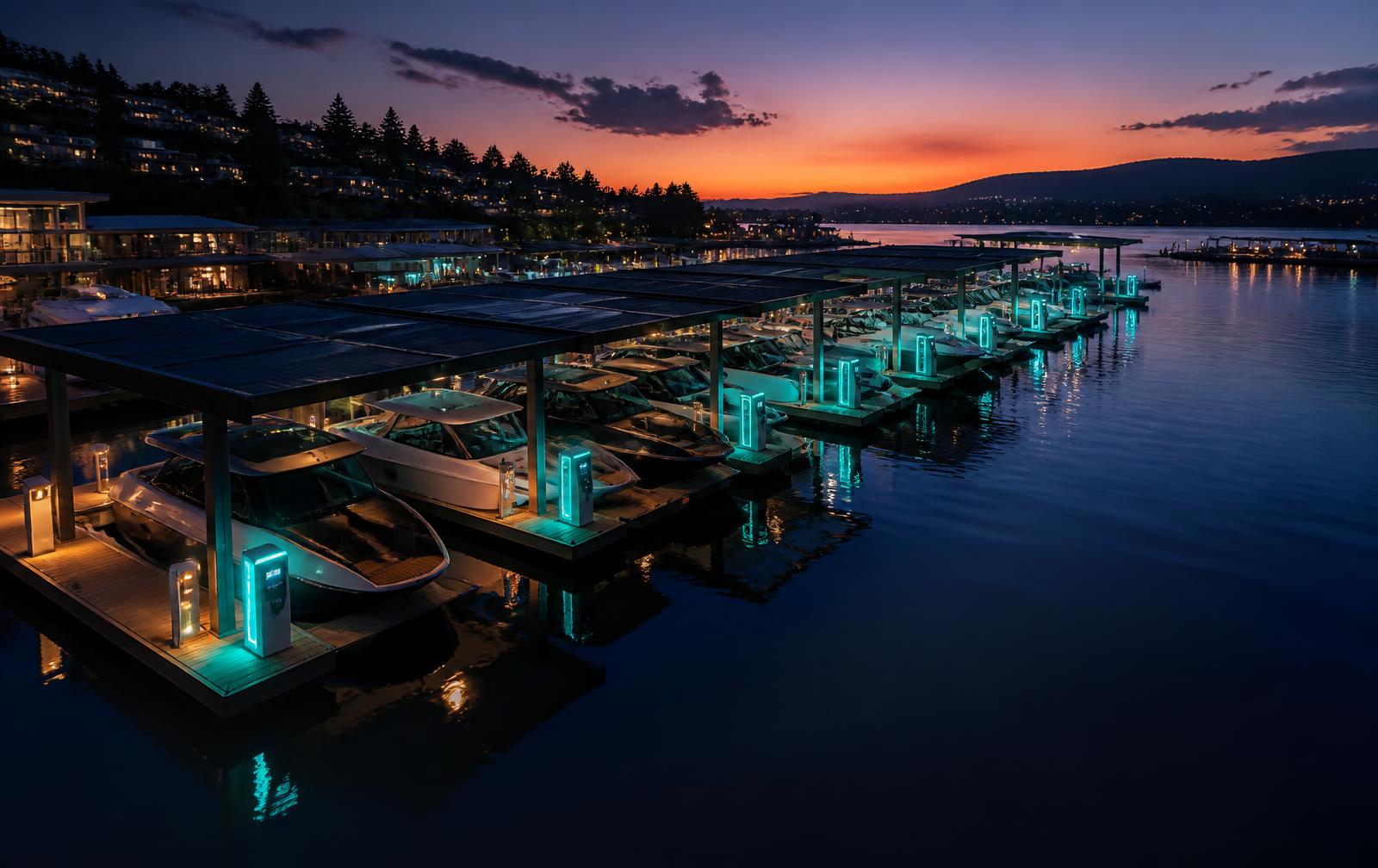
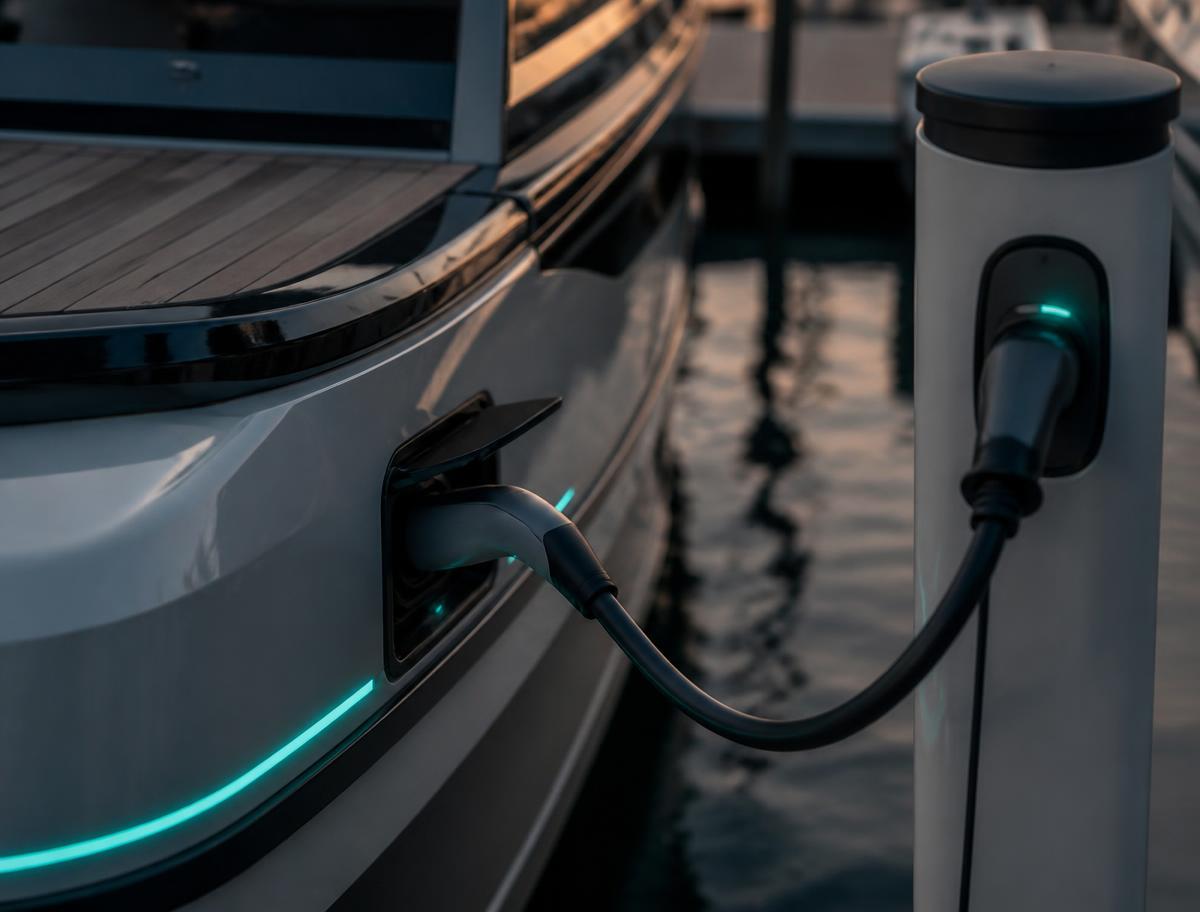
Electric and hybrid vessels spend most of the year tied up. GridLinq upgrades your shore power into metered, bidirectional pedestals so those battery banks support the grid while your boats sit safe in their slips.
- Marine-grade bidirectional pedestals for wet slips, covered slips and dry storage racks
- Per-slip submetering ends flat-rate electrical losses and bills usage accurately
- Load management protects your dock panel as more slips electrify
- A V2G slip tier your members will pay a premium for, plus energy credits back to owners
- Winter and haul-out seasons become your highest-value dispatch window
Boat storage facilities
Dry stack and indoor racks full of idle batteries.
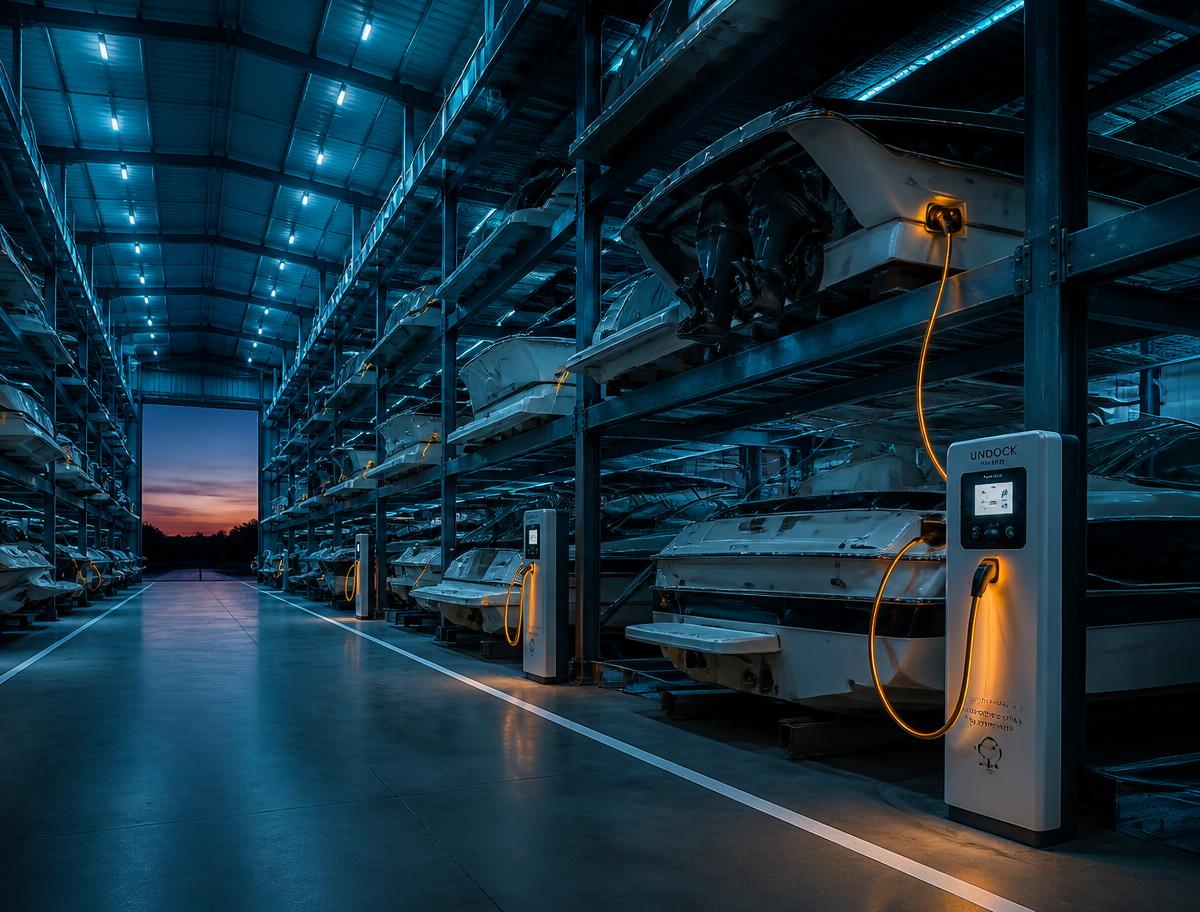
A dry stack building, indoor rack barn or trailer yard holds dozens of electric and hybrid vessels that go untouched for months. GridLinq brings metered, bidirectional power to the racks so that stored fleet becomes dispatchable capacity instead of dead weight on your insurance schedule.
- Rack-level and row-level bidirectional circuits for dry stack, indoor barns and outdoor trailer yards
- Maintenance charging keeps house banks healthy through long storage terms, monitored remotely
- Storage contracts sit still for months — the longest, most predictable dispatch window in the industry
- Per-unit submetering turns charging from an absorbed cost into a billable storage add-on
- Load management and thermal alerts sized for enclosed, high-density lithium storage
- Forklift and launch-day loads scheduled around dispatch so operations never wait on power
Campgrounds & RV resorts
Full-hookup sites, upgraded into grid capacity.
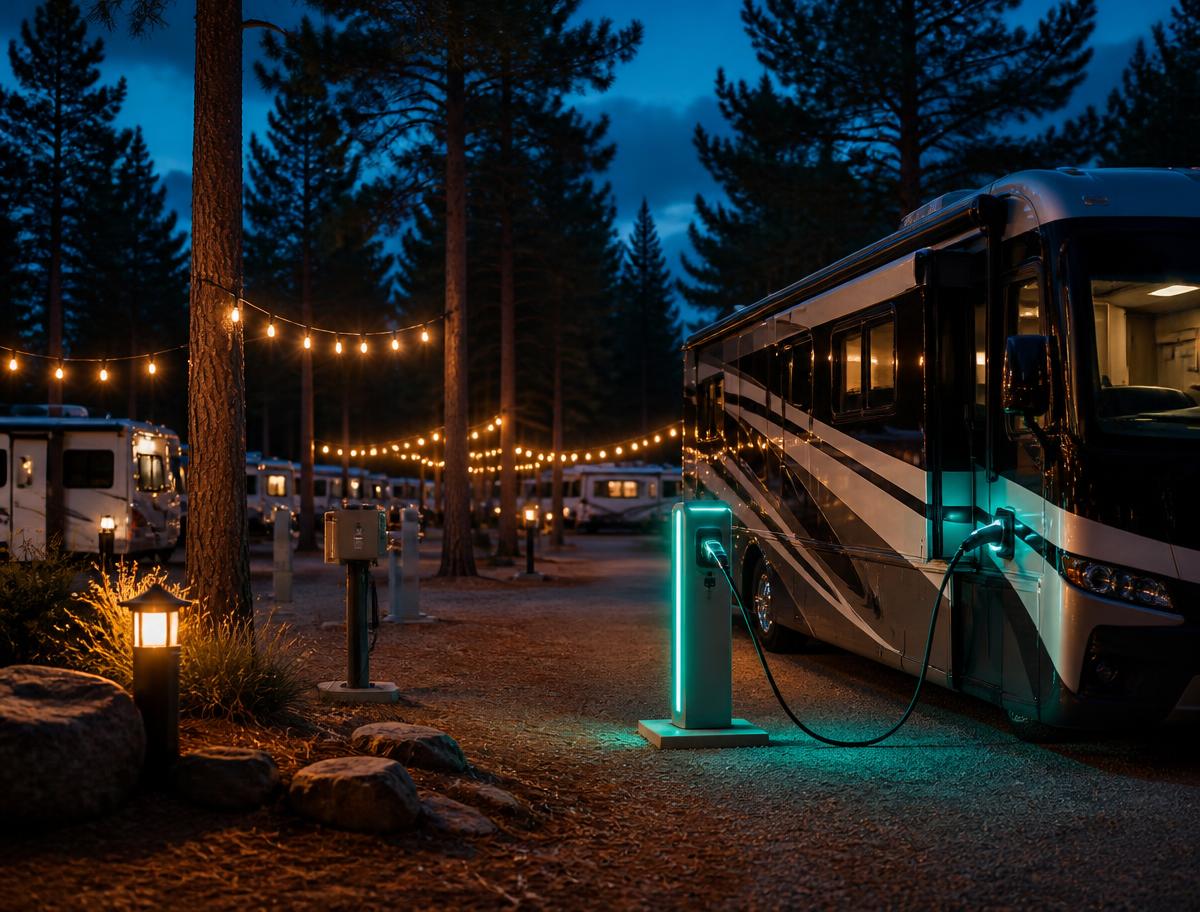
Full-time residents keep their rigs connected year-round and transient guests arrive expecting real charging. One GridLinq build serves both: reliable metered power for every stay, and dispatchable capacity from the rigs that never leave.
- 50A pedestal retrofits with V2G-ready bidirectional units on long-term loops
- Full-time sites deliver predictable, enrollable capacity month after month
- Transient loops earn on metered charging and reservation-linked billing
- Stop absorbing electricity in the site rate — meter it, bill it, or credit it back
- Charging availability becomes a booking advantage for EV-towing guests
Waterfront condominiums
Slips, homes and one shared energy asset.
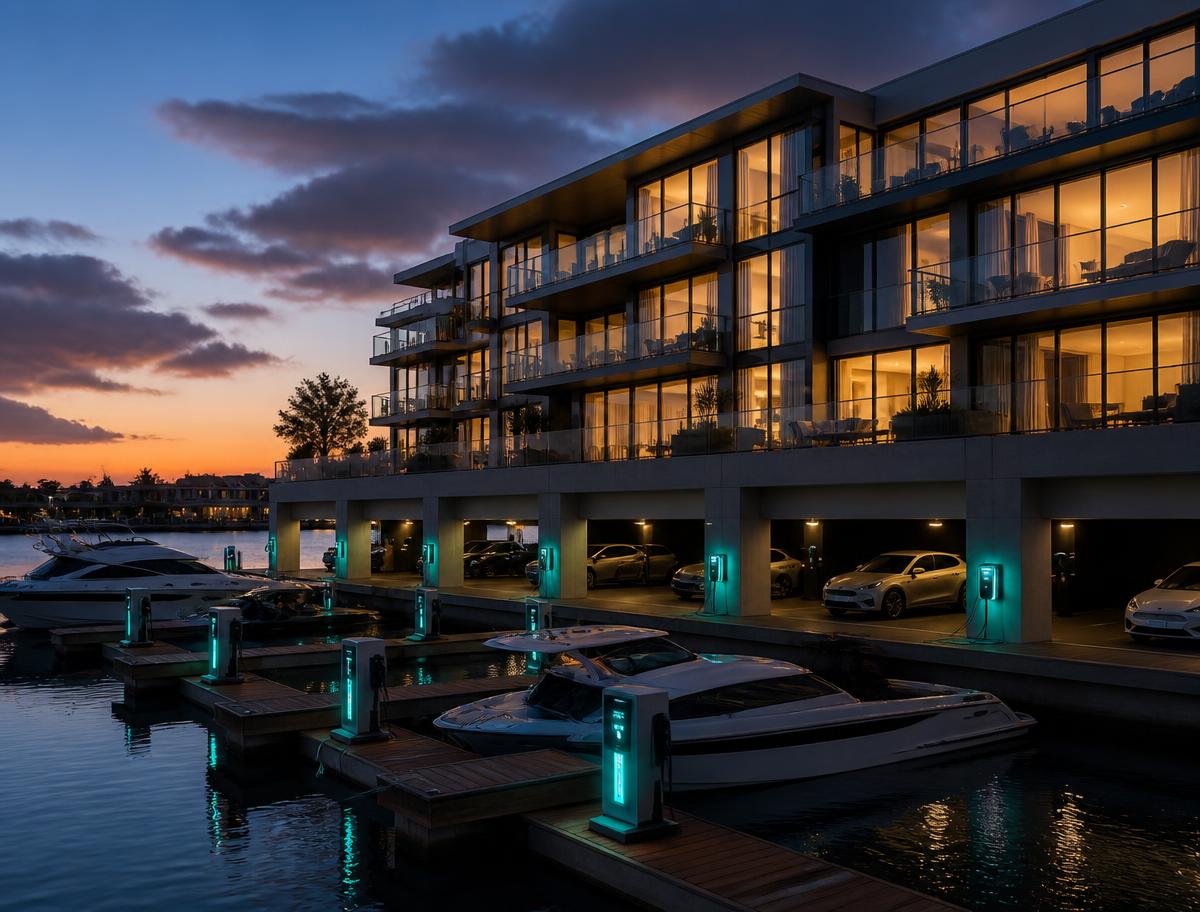
A condominium community with private slips already owns the two things a microgrid needs: batteries at the dock and load in the building. GridLinq links them, so the association trims peak demand every month and keeps critical systems alive when the grid drops.
- Vessel and vehicle batteries discharge into common-area load during peak pricing windows
- Outage support for elevators, pumps, lighting, gates and common areas without a diesel generator
- Per-owner submetering so charging is billed to the unit, not buried in association dues
- Board-ready reporting on demand savings, resilience hours and program revenue
- Phased builds that fit reserve-study cycles and existing dock and garage electrical service
How it works
From shore power to grid asset in four steps.
1. Site & service audit
We map your slips or sites, existing pedestals, panel capacity, utility tariff and available interconnection headroom.
2. V2G-ready build-out
Bidirectional-capable pedestals, submetering and load management installed slip by slip or loop by loop, phased to your season.
3. Grid enrollment
We enroll the aggregated capacity in the utility or ISO programs your region supports, and handle the telemetry and compliance.
4. Revenue & reporting
Tenants see their own usage and credits; you see per-site earnings, uptime and settlement in one dashboard.
Run the numbers
What V2G is worth at your property.
Move the sliders to model annual power cost reduction, grid program revenue and outage coverage. These are planning estimates — a GridLinq site review replaces them with your tariff, interconnection headroom and metered load.
Property type
Vessels sit tied up 8–10 months a year, so the dispatch window is long and predictable.
About 32 slips enrolled and dispatchable.
Blended delivered rate on your current utility bill.
Grid hours you would otherwise lose to storms or planned shutoffs.
Estimated annual benefit
$30,015
Across 32 enrolled slips, dispatching roughly 69,120 kWh a year.
Grid program revenue
Peak-window dispatch plus capacity payments
$11,370
Peak demand reduction
Lower demand charges on your own bill
$1,634
Recovered metered power
Electricity no longer absorbed in flat fees
$17,010
Outage coverage value
$6,656
Avoided losses and generator spend across 8 outage hours, with critical load carried by enrolled batteries.
Simple payback
2.6 yrs
On an estimated $76,800 phased build. Revenue-share deployments move this to zero CapEx.
Estimates only. Actual results depend on your utility tariff, available grid programs, interconnection capacity and how many vessels or rigs enroll.
2-minute check
Is your property V2G-eligible?
A few questions about your property type, slip and site count, electrical service and goals. You'll get a tailored build recommendation before you talk to anyone.
Step 1 of 8
What kind of property do you operate?
Questions
Straight answers for operators.
Do our tenants need new boats or RVs?
No. GridLinq hardware charges any standard vessel or rig today, and adds bidirectional capability for the growing share of V2G-capable batteries. The site is future-proofed on day one and earns charging revenue immediately.
Will discharging drain a customer's battery?
Owners set floor limits and departure times. Dispatch never crosses the reserve they choose, and every kWh exported is logged and credited back to their account.
What does it cost to install?
We offer both owner-funded builds and revenue-share deployments where GridLinq funds the hardware and shares program earnings. The site audit determines which fits your electrical service.
Does this work at seasonal or off-grid campgrounds?
Yes. Full-time and long-stay sites are the strongest V2G candidates because rigs stay connected. Transient loops still earn on metered charging, and solar or storage can be paired where the service is thin.
Get started
Book a V2G readiness review for your property.
Tell us how many slips or sites you operate and what your electrical service looks like, then pick a time for a 30-minute assessment call. We'll come back with a phased build plan and the revenue programs available in your region.
Prefer email? hello@gridlinq.com